



Every Spanish beauty brand striving for online attention knows that standing out requires more than just beautiful product photos. Compelling content is the driving force behind real engagement and lasting audience connections, pushing brands to rethink how they communicate and interact. By embracing digital content as a strategic tool, marketers can deliver value, develop trust, and spark the kind of interaction that leads to greater brand loyalty and higher conversion rates.
Table of Contents
- Defining Content Creation And Its Purpose
- Popular Content Formats And Variations
- Steps To Build Effective Content
- Legal Issues And Compliance Essentials
- Common Mistakes And How To Avoid Them
Key Takeaways
| Point | Details |
|---|---|
| Purpose of Content Creation | Content creation aims to connect, inform, and engage audiences through strategic multimedia development. |
| Types of Content | Effective content includes a variety of formats, such as text, visuals, video, and audio, to achieve diverse communication objectives. |
| Legal Compliance | Brands must navigate complex legal requirements to ensure transparency and protect consumer trust in digital content. |
| Common Mistakes | Avoiding audience research and inconsistent publishing can hinder engagement. A focus on audience needs is essential for success. |
Defining Content Creation and Its Purpose
Content creation represents the strategic process of generating compelling digital media designed to connect, inform, and engage specific audiences. At its core, it involves developing original multimedia materials across multiple platforms and formats to achieve targeted communication objectives.
The fundamental purpose of content creation extends far beyond simple information delivery. Digital content serves multiple critical functions for brands and creators:
- Establishing brand identity and personality
- Building meaningful audience connections
- Educating potential customers about products or services
- Driving engagement and interaction
- Supporting marketing and communication strategies
- Generating interest and potential conversions
When examining content creation through a professional lens, the process involves sophisticated strategies for conceptualizing, producing, and distributing materials that resonate with intended audiences. Content production encompasses planning, development, and distribution across diverse media types, requiring careful alignment with specific communication goals.
Content Types typically include:
- Written articles and blog posts
- Social media graphics and posts
- Video content
- Podcasts
- Infographics
- Photography
- Interactive digital experiences
Successful content creation demands a nuanced understanding of target audience preferences, platform dynamics, and storytelling techniques that transform ordinary information into compelling narratives.
Pro tip: Develop a consistent content strategy by understanding your audience’s needs, preferences, and pain points before creating any digital materials.
Popular Content Formats and Variations
Digital content formats have dramatically evolved, offering creators unprecedented opportunities to engage audiences through diverse and innovative media types. The digital landscape now supports an expansive range of content variations that cater to different communication objectives and audience preferences.
Content Formats span multiple categories:
-
Text-Based Content
- Blog posts
- Articles
- Whitepapers
- Ebooks
- Case studies
-
Visual Content
- Infographics
- Photographs
- Illustrations
- Memes
- Design portfolios
-
Video Content
- Short-form videos
- Tutorials
- Webinars
- Live streams
- Documentary-style content
-
Audio Content
- Podcasts
- Music playlists
- Audio interviews
- Sound bites
- Audio guides
The proliferation of digital platforms has transformed content creation, enabling more dynamic and interactive experiences that transcend traditional communication boundaries. Emerging technologies like artificial intelligence and augmented reality are further expanding the possibilities for content generation and audience engagement.
Interactive Content Types represent the cutting edge of digital communication, including:
- Quizzes and assessments
- Interactive infographics
- 360-degree videos
- Augmented reality experiences
- Personalized digital narratives
Successful content creators understand that each format requires a unique approach, tailored storytelling technique, and strategic alignment with audience expectations. The key is not just selecting a format, but crafting an immersive experience that resonates with your target audience.

Here’s how popular content formats differ by audience engagement and typical use:
| Format Type | Engagement Level | Best For |
|---|---|---|
| Blog Posts | Moderate | SEO and education |
| Short-form Video | Very High | Social sharing and brand awareness |
| Podcasts | High | In-depth topics and multitasking |
| Infographics | High | Data visualization and quick insights |
Pro tip: Experiment with multiple content formats to discover which resonates most effectively with your specific audience and communication goals.
Steps to Build Effective Content
Building effective content requires a strategic approach that goes beyond simple creation. Comprehensive content development involves careful planning, research, and intentional execution across multiple critical stages.
Key Content Creation Steps:
-
Define Clear Objectives
- Identify target audience
- Establish specific communication goals
- Determine desired audience action
-
Conduct Thorough Research
- Gather reliable information sources
- Understand audience preferences
- Analyze competitor content
- Identify content gaps
-
Develop a Strategic Outline
- Organize key messaging points
- Create logical content flow
- Plan section transitions
- Map content to audience journey
Professional content creators recognize that effective content requires strategic planning beyond initial drafting. Content Development Principles demand a systematic approach that transforms raw ideas into compelling narratives.
Content Quality Checklist:
- Maintain authentic brand voice
- Ensure factual accuracy
- Create engaging narrative structure
- Provide unique insights
- Optimize for target platforms
- Include clear calls to action
Successful content creation is an iterative process that demands continuous refinement. Beauty brands must adapt their strategies, experiment with formats, and remain responsive to audience feedback to develop truly impactful digital experiences.
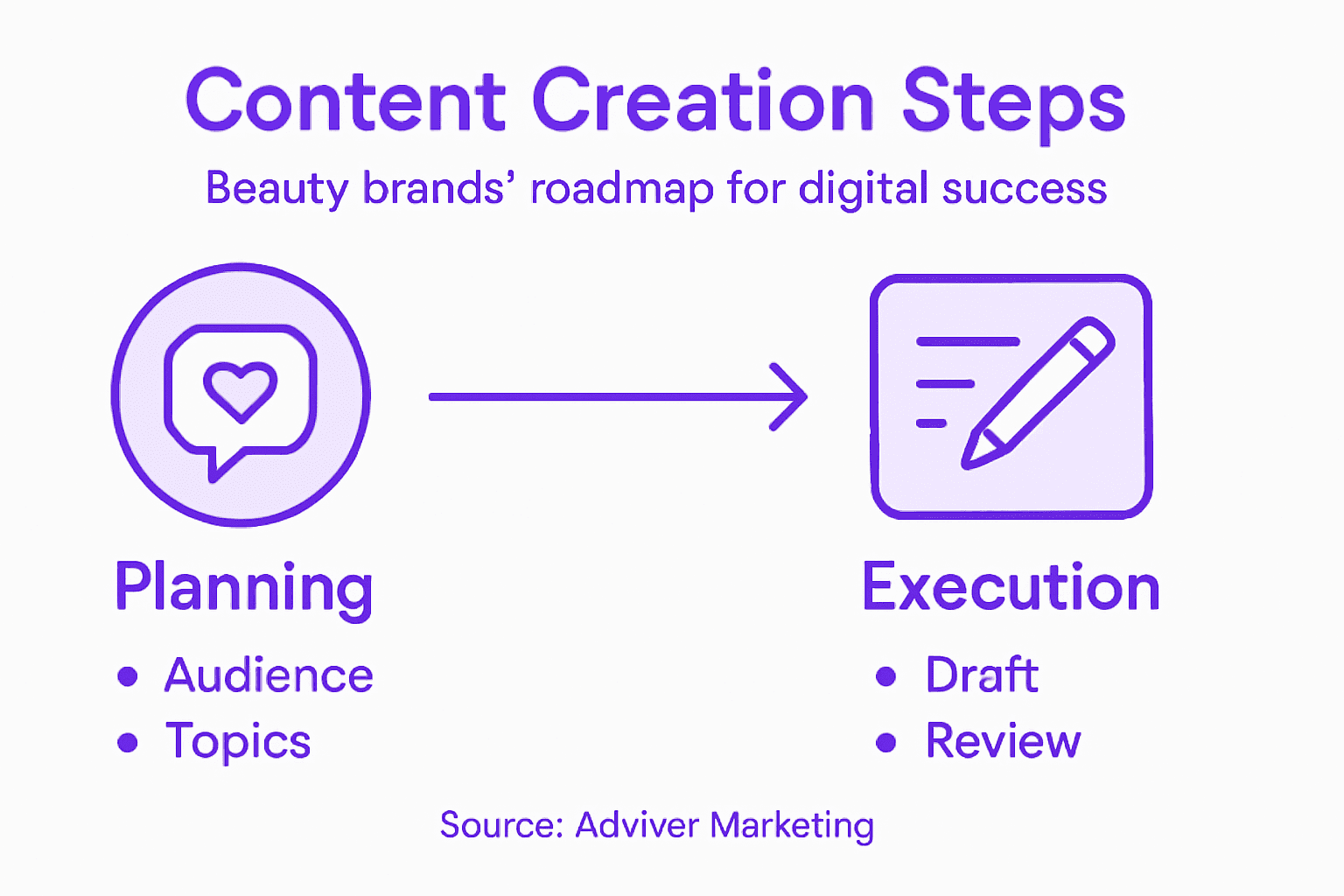
Pro tip: Develop a content creation workflow that includes dedicated time for research, drafting, peer review, and strategic refinement.
Legal Issues and Compliance Essentials
Content creator regulations have become increasingly complex, demanding rigorous attention to legal frameworks that protect both brands and audiences. Beauty brands must navigate a sophisticated landscape of legal requirements that extend far beyond traditional marketing compliance.
Key Legal Compliance Areas:
- Intellectual Property Protection
- Endorsement Disclosures
- Product Claim Verification
- Consumer Privacy Regulations
- Platform-Specific Guidelines
- Advertising Standards
- Digital Content Licensing
Beauty brands face unique regulatory challenges in product marketing, particularly around advertising claims, endorsements, and consumer protection. Regulatory Bodies such as the FDA and FTC play critical roles in monitoring and enforcing these standards.
Compliance Documentation Requirements:
- Maintain transparent disclosure records
- Document all endorsement agreements
- Verify product claim substantiation
- Implement robust consent mechanisms
- Create comprehensive content usage agreements
- Develop internal compliance training
The legal landscape for digital content continues to evolve, with emerging regulations addressing artificial intelligence, data protection, and digital marketing practices. Brands must remain proactive, continuously updating their compliance strategies to mitigate potential legal risks and maintain consumer trust.
Effective legal compliance is not just about avoiding penalties, but about building trust and demonstrating professional integrity in your brand communications.
This table summarizes common legal risks in content creation and their business impact:
| Legal Risk | Potential Business Impact |
|---|---|
| Intellectual Property Misuse | Financial penalties and takedowns |
| Data Privacy Violations | Loss of trust and legal fines |
| Misleading Claims | Regulatory action and reputation harm |
| Inadequate Disclosures | Decreased transparency and audience backlash |
Potential Legal Risks:
- Misleading advertising claims
- Inadequate endorsement disclosures
- Intellectual property infringement
- Consumer data privacy violations
- Unauthorized content reproduction
Pro tip: Consult with a specialized digital marketing legal expert annually to ensure your content strategy remains fully compliant with current regulations.
Common Mistakes and How to Avoid Them
Creating impactful content requires understanding and avoiding critical pitfalls that can derail your digital strategy. Common content creation mistakes can significantly diminish your brand’s effectiveness and audience engagement, making awareness and proactive prevention crucial.
Frequent Content Creation Mistakes:
- Neglecting audience research
- Creating overly promotional content
- Inconsistent publishing schedules
- Ignoring SEO best practices
- Lack of clear strategic objectives
- Poor content quality
- Minimal audience interaction
Mistake Prevention Strategies:
- Conduct comprehensive audience research
- Develop audience personas
- Create content with genuine value
- Maintain consistent publishing rhythm
- Optimize for search intent
- Monitor content performance metrics
Beauty brands must recognize that content marketing is not about constant self-promotion, but about providing meaningful value to their audience. Engagement Principles demand a strategic approach that prioritizes audience needs over brand messaging.
Successful content creation transforms promotional noise into meaningful conversation, connecting authentically with your target audience.
Potential Negative Outcomes:
- Decreased audience trust
- Reduced engagement rates
- Lower search engine rankings
- Minimal brand loyalty
- Ineffective marketing investment
Pro tip: Implement a monthly content audit to systematically review and refine your content strategy, ensuring continuous improvement and alignment with audience expectations.
Elevate Your Beauty Brand with Expert Content Creation Support
Content creation is a powerful tool for beauty brands aiming to build authentic connections and stand out in a competitive digital space. However, mastering strategic content planning, audience engagement, and legal compliance can quickly become overwhelming without the right expertise and resources. If you struggle with consistent content quality, tailored storytelling, or maximizing formats like videos and infographics, you are not alone.
At Adviver Marketing, we specialize in helping beauty brands overcome these exact challenges. Our team combines creative content creation with paid advertising and comprehensive social media management to amplify your brand’s voice. Using AI-powered tools and data-driven insights, we craft strategies designed to engage your target audience and generate real growth. Discover how our personalized partnerships deliver focused attention and impactful results for beauty brands that want to thrive. Learn more about our approach on the Adviver Marketing homepage and see how we integrate cutting-edge techniques in content creation and social media management.
Unlock the full potential of your beauty brand by partnering with experts who understand your unique goals and challenges.
Ready to transform your content strategy and grow your brand?
Contact us today at Adviver Marketing to start a creative partnership that puts your beauty brand ahead in the digital world.
Frequently Asked Questions
What is the purpose of content creation for beauty brands?
Content creation for beauty brands serves multiple purposes, such as establishing brand identity, building audience connections, educating customers about products, driving engagement, and supporting marketing strategies to generate interest and conversions.
What are the common types of content created by beauty brands?
Common types of content created by beauty brands include written articles, blog posts, social media graphics, video content, podcasts, infographics, and photography, all designed to engage and inform their target audiences effectively.
How can beauty brands ensure their content is compliant with legal regulations?
Beauty brands can ensure compliance by focusing on key legal areas such as intellectual property protection, endorsement disclosures, product claim verification, and privacy regulations. Maintaining accurate documentation and consulting with legal experts can help mitigate risks.
What are some common mistakes beauty brands make in content creation?
Common mistakes include neglecting audience research, creating overly promotional content, inconsistent publishing schedules, ignoring SEO best practices, and maintaining poor content quality, which can negatively impact audience engagement and brand trust.
Recommended
- How a Beauty Marketing Agency can transform your social media presence – Adviver Marketing
- AI Social Media Services | Data-Driven Growth | Adviver
- Social Media Agency Portfolio | Adviver Marketing
- Marketing Agency for Social Media, E-Commerce & Beauty Brands
Article generated by BabyLoveGrowth